1. When Seasons Fade Too Quickly using jeju island map
This year, hydrangeas arrived late and withered far too quickly across Jeju Island. Frequent spring rains and an unusually long monsoon season in early summer shortened their moment of bloom. I climbed the 700 stone steps of Mount Yeongju in hopes of greeting the final mountain hydrangeas. By the time I reached the summit, most had already faded away. Watching the once-vibrant petals lose their colors felt strangely sentimental—as if a season had quietly slipped through my fingers.
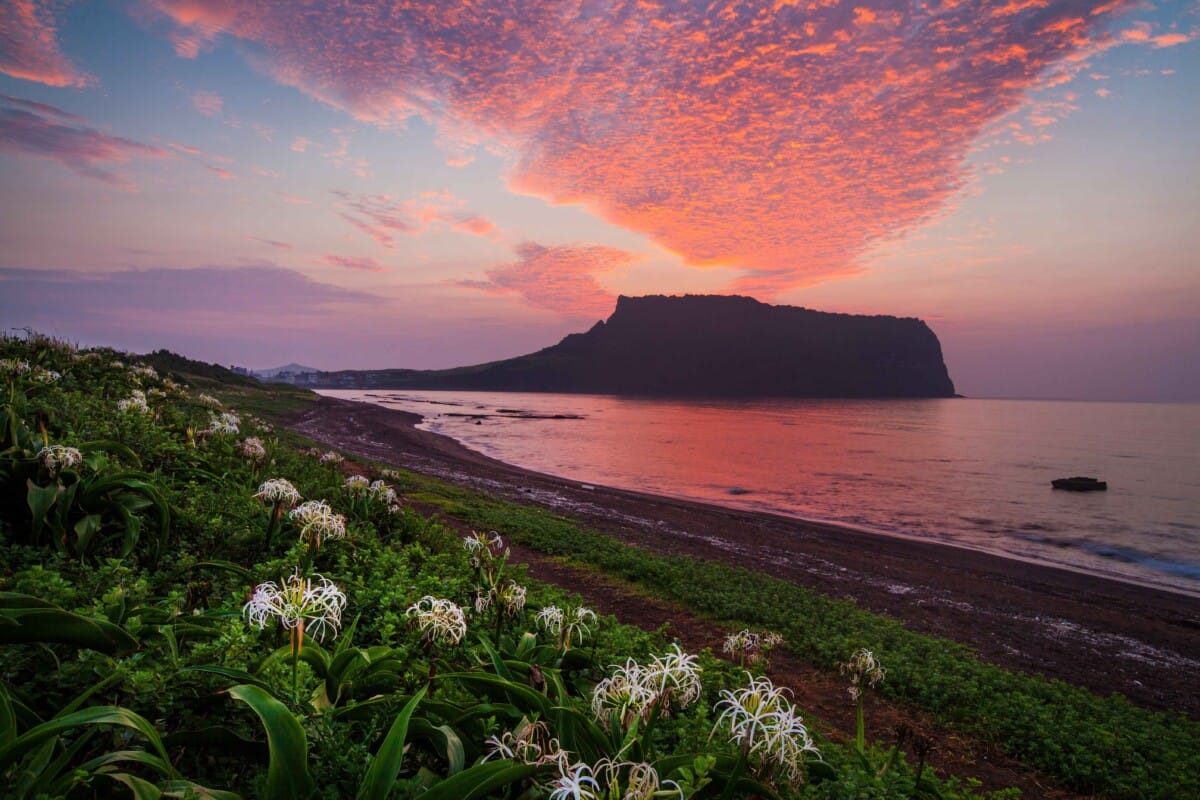
Yet, this is Jeju, an island that never truly lets flowers leave. 🌸 Even as hydrangeas retreat, the land awakens again with new blossoms—rare species that thrive only on southern islands, flowers that breathe with the wind and sea, and wild blooms that make Jeju feel like a living garden woven by nature itself. Tracing their habitats on a jeju island map, you’ll notice how each coastline carries its own rhythm, its own heartbeat of color. To fully explore this beauty, carry a jeju island map with you, and discover the hidden gems of this enchanting destination.
2. The Wild Elegance of Rabbit Island (Tokkiseom)
A 45-minute drive from Jeju International Airport, along the eastern coast, leads to Hado-ri in Gujwa—a tranquil village where time slows down with the tides. Just 300 meters offshore rests Tokkiseom, or “Rabbit Island,” a name shared by seventeen places in Korea but unmatched in its ecological grace. In September 2023, it was named Uninhabited Island of the Month by the Korea Island Development Agency, a small recognition for an island that has always felt quietly extraordinary.
Originally called Nando—from Nandeulyeo, meaning “the island beyond”—it earned its current name when rabbits were released there during the Japanese colonial era. But today, the island is celebrated for something far rarer than rabbits: Crinum asiaticum, known in Korean as Munjeerang.
These elegant white lilies bloom in clusters between late July and early September, cascading along the rocky shorelines like folds of silk caught in the sea breeze. Standing across the water, you can almost imagine the island dusted with snow in midsummer—delicate petals reflecting the sunlight, their scent carried softly across the waves. Rabbit Island remains the only natural colony of this flower in Korea, making it both a protected treasure and a poetic secret of Jeju’s east coast.
The island itself is off-limits to visitors, designated as a natural monument and part of a marine protected zone. Beneath its surface, Zostera marina seagrass meadows sway gently, while Jeju’s resident pod of Indo-Pacific bottlenose dolphins sometimes appears nearby. You can mark it clearly on your Jeju Island map, but perhaps its beauty lies in the fact that you can never step upon it—only witness it from afar.
3. Experiencing Rabbit Island from the Shore
The best way to experience Rabbit Island isn’t by boat—it’s from land. Nestled on Hado’s quiet shore sits a minimalist café called Tokki-ssum, named after the island itself. Its large windows frame the horizon like a living painting. Order a drink, borrow one of their picnic sets—a pastel blanket, a woven basket, and a few small props—and settle down by the rocks. 🌊
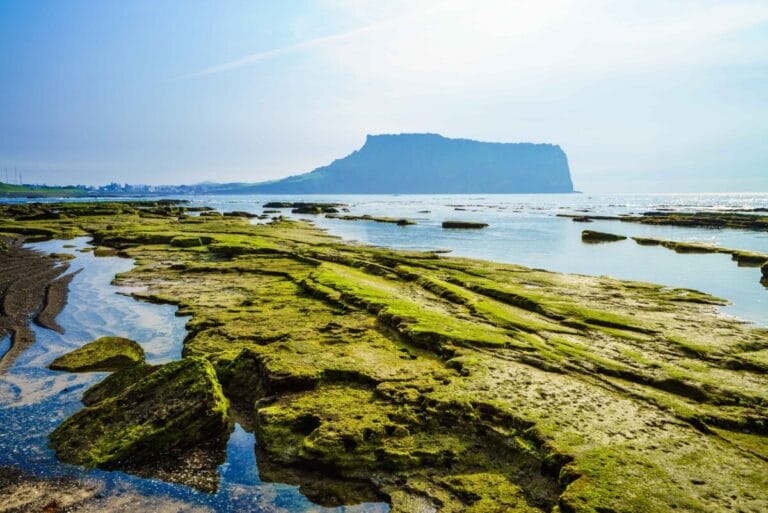
This is slow travel, Jeju style. You can sit under a soft parasol with a book, stretch out your legs to the rhythm of the wind, or simply gaze at the sea while time slips by unnoticed. When hunger calls, skip the latte and order a fresh carrot or Korean melon juice—both specialties of Gujwa. Locals will tell you that the sweetness comes from Jeju’s volcanic soil and salt-kissed air. Somehow, you can taste the island itself in every sip. 🥕✨
This is slow travel, Jeju style. You can sit under a soft parasol with a book, stretch out your legs to the rhythm of the wind, or simply gaze at the sea while time slips by unnoticed. When hunger calls, skip the latte and order a fresh carrot or Korean melon juice—both specialties of Gujwa. Locals will tell you that the sweetness comes from Jeju’s volcanic soil and salt-kissed air, and somehow, you can taste the island itself in every sip. 🥕✨
4. A Land That Keeps Blooming
Jeju is an island that never stops transforming. One season fades only to give birth to another. From hydrangeas on the mountain paths to lilies that bloom on distant islets, every flower marks a moment—brief but unforgettable. And as you trace these places on your Jeju Island map, you’ll realize that no matter how often you visit, Jeju never shows the same face twice.
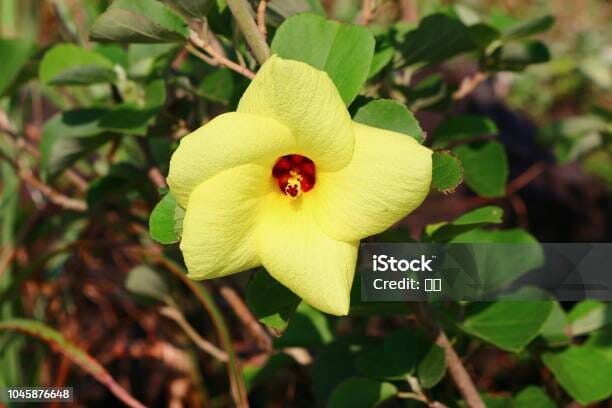
Perhaps that’s what makes it special: here, beauty doesn’t ask to be found—it simply reappears, quietly, with every return of the wind. 🌿 Try a glass of freshly pressed carrot or Korean melon juice. The flavor carries the island’s sunshine, sea breeze, and volcanic soil in every sip—a gentle reminder that in Jeju, nature doesn’t end with what you see. It lingers, even in what you taste. 🥕✨
Edited by Min-su Kim on September 4, 2024, 6:40 AM